
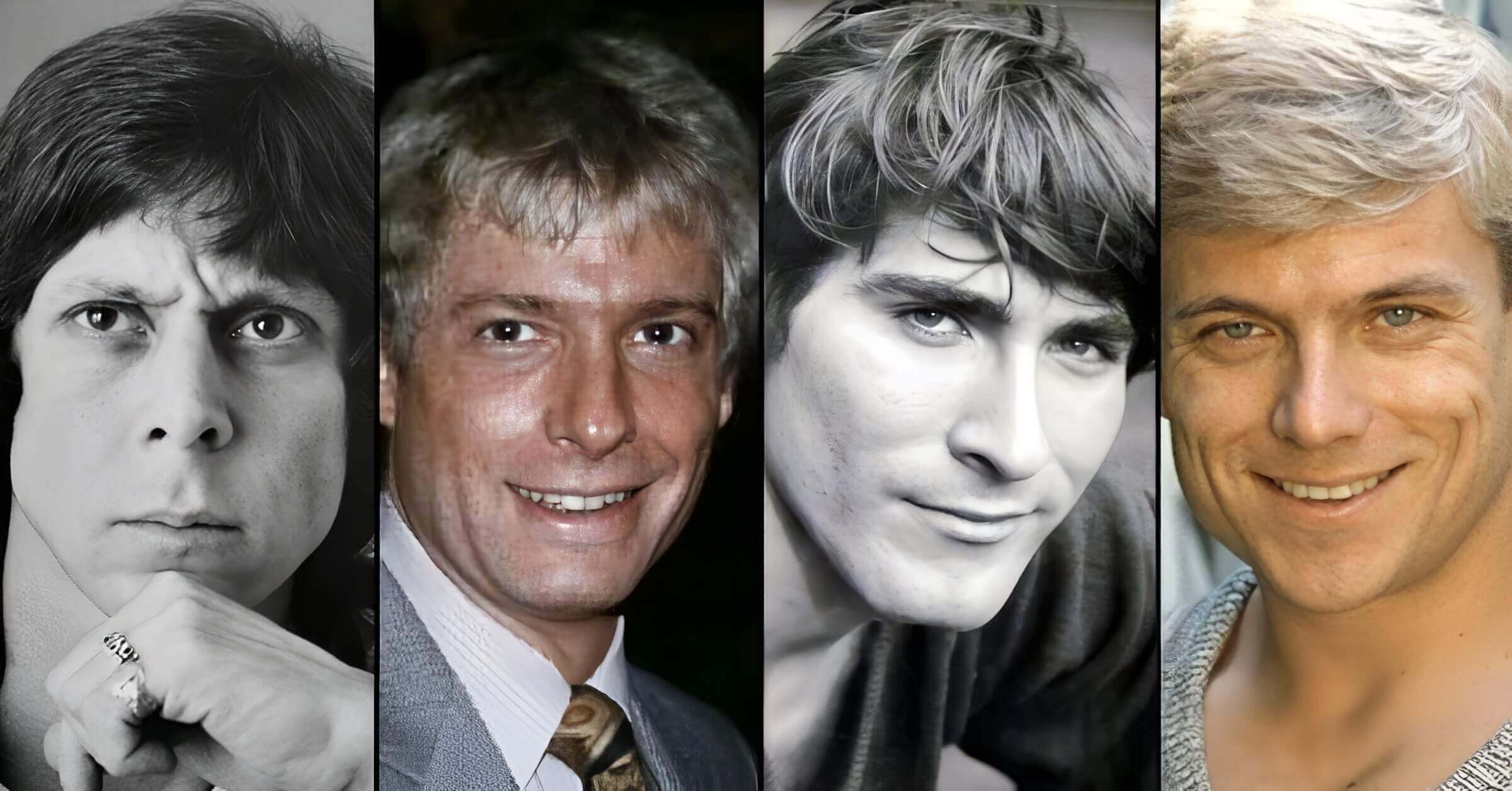
The 1970s changed adult entertainment forever. Films became more popular, and they played in theaters. As a result, stars gained real fame and recognition. This era is called the Golden Age of Adult Entertainment because it shaped stories, film quality, and how performers saw themselves.
This article highlights the most important gay adult performers of the 1970s. It explains their careers, why they mattered, and their lasting impact. In addition, for background, see our piece on Gay Adult Performers of the 1960s, which shows how the industry built up to the 1970s.
The Rise of the Golden Age
The Golden Age ran from the early 1970s to the mid-1980s. Films had real stories, and they were shown in theaters. Stars acted like professionals, and many came from theater, modeling, or regular movies.
At the same time, society was changing. Gay performers received more attention, and gay adult films grew bold. Moreover, they showed confidence and new ideas. Consequently, the 1970s became a key decade for gay representation in adult cinema.
Marc Stevens
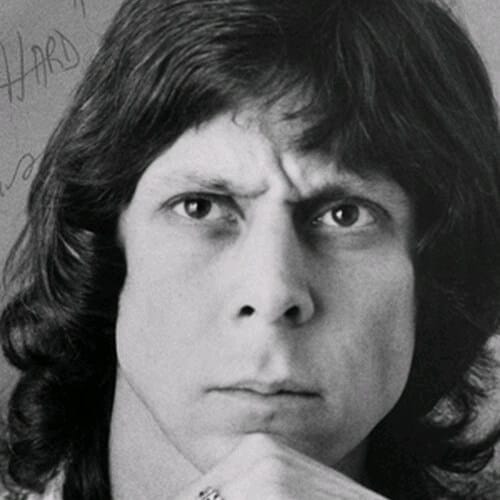
- Born: September 2, 1943
- Died: January 28, 1989
- Active Years: 1971–1988
Career Insight: Marc Stevens was one of the most famous faces of the 1970s. He was confident and charismatic, appearing in many films that set the masculine style of the time. Furthermore, his work helped make gay identity feel normal on screen, which was very important back then.
Richard Holt Locke
- Born: June 11, 1941
- Died: September 25, 1996
- Active Years: 1975–1983
Career Insight: Richard Holt Locke starred in gay adult films during the 1970s. Later, he became an AIDS educator and activist. His movies captured the free spirit of the late 1970s. In addition, his off-screen work focused on health and community awareness, making his legacy even stronger. We also discussed his academic background in our separate article on adult gay actors with university degrees, where his studies in history and film added depth to his career and public service.
Peter Berlin
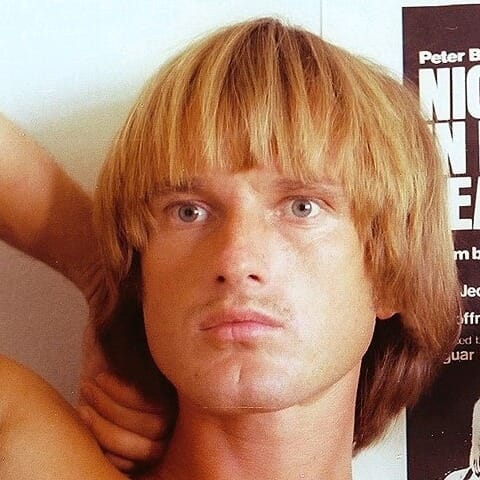
- Born: December 28, 1942
- Active Years: 1974–1975
Career Insight: Peter Berlin is remembered as one of the most iconic figures in gay erotic history. His film career was short; however, his influence extended far beyond cinema into photography, fashion, and self-image. By controlling his own brand, he reshaped how desire and masculinity were shown during the 1970s.
Wade Nichols
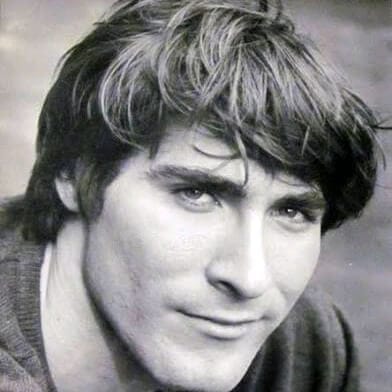
- Born: October 28, 1946
- Died: January 28, 1985
- Active Years: 1975–1980
Career Insight: Wade Nichols worked in both adult films and mainstream acting. In gay cinema, he brought emotion and softness, which stood out against the tough-guy trend of the time. Therefore, fans respected him both inside and outside adult entertainment.
Eric Stryker

- Born: September 24, 1954
- Died: February 19, 1988
- Active Years: 1977–1988
Career Insight: Eric Stryker was known for his strong energy and looks. His career linked the 1970s film era to the video era. As a result, he built a large fan base and stayed popular even after his peak years.
Jack Wrangler

- Born: July 11, 1946
- Died: April 7, 2009
- Active Years: 1970–2003
Career Insight: Jack Wrangler became a rare crossover success. He started in gay adult films in the early 1970s and later moved into theater and TV. Furthermore, his long career showed that adult performers could go mainstream while keeping creative freedom and respect.
Fred Halsted
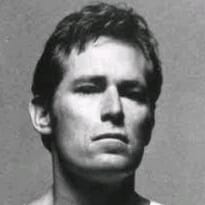
- Born: July 20, 1941
- Died: May 9, 1989
- Active Years: 1972–1988
Career Insight: Fred Halsted acted and directed. He treated adult films like art. For example, he added deep stories and bold visuals. Consequently, he pushed gay adult cinema to new levels and inspired future filmmakers.
Career Highlights of the Era
The 1970s were special for gay adult performers:
- Acting and charisma mattered as much as looks.
- Films had plots and played in theaters.
- Stars appeared in magazines and interviews.
- Many careers lasted for decades, inspiring others.
Therefore, this time set rules for quality and branding in adult cinema.
Final Thoughts
These performers built real gay visibility during a key decade. They showed bravery and creativity when it was rare. Even now, their ideas live on in stories, styles, and acting. Moreover, their legacy is about impact, not just the number of films.
FAQs
Why are these performers icons of the 1970s?
They boosted gay visibility, broke norms, and shaped adult film art.
How did the 1970s change gay representation?
It added confidence, clear identity, and story-based films. This reached wider audiences.
Are they still relevant today?
Yes. Their work continues to be referenced in film histories, retrospectives, and talks about adult entertainment.
Source: Based on publicly available professional information, historical records, interviews, and film databases.