
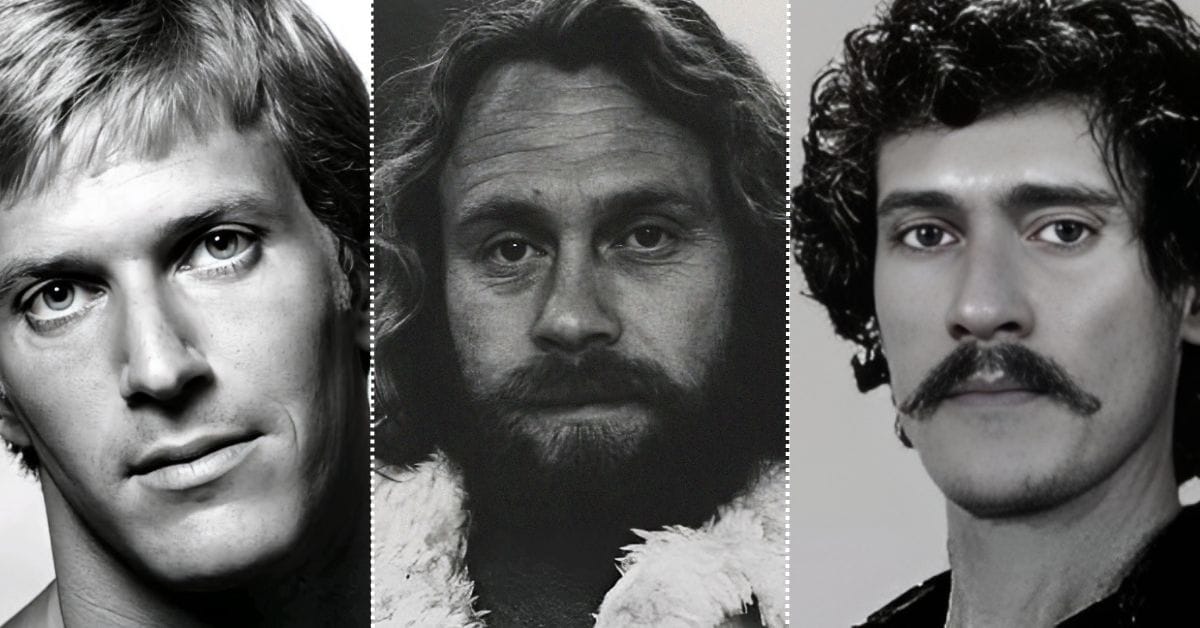
The 1960s were not yet the Golden Age of adult cinema. Still, this decade was very important. It helped shape what later became a global industry. Gay adult content stayed underground because of strict laws and social stigma. Performers and filmmakers worked quietly, often in hidden networks. As a result, they prepared the way for the big growth of gay adult cinema in the 1970s.
This article looks at key names from the late 1960s. Their work helped guide the future of gay adult film history.
Casey Donovan (Transition Figure: Late 1960s → 1970s)
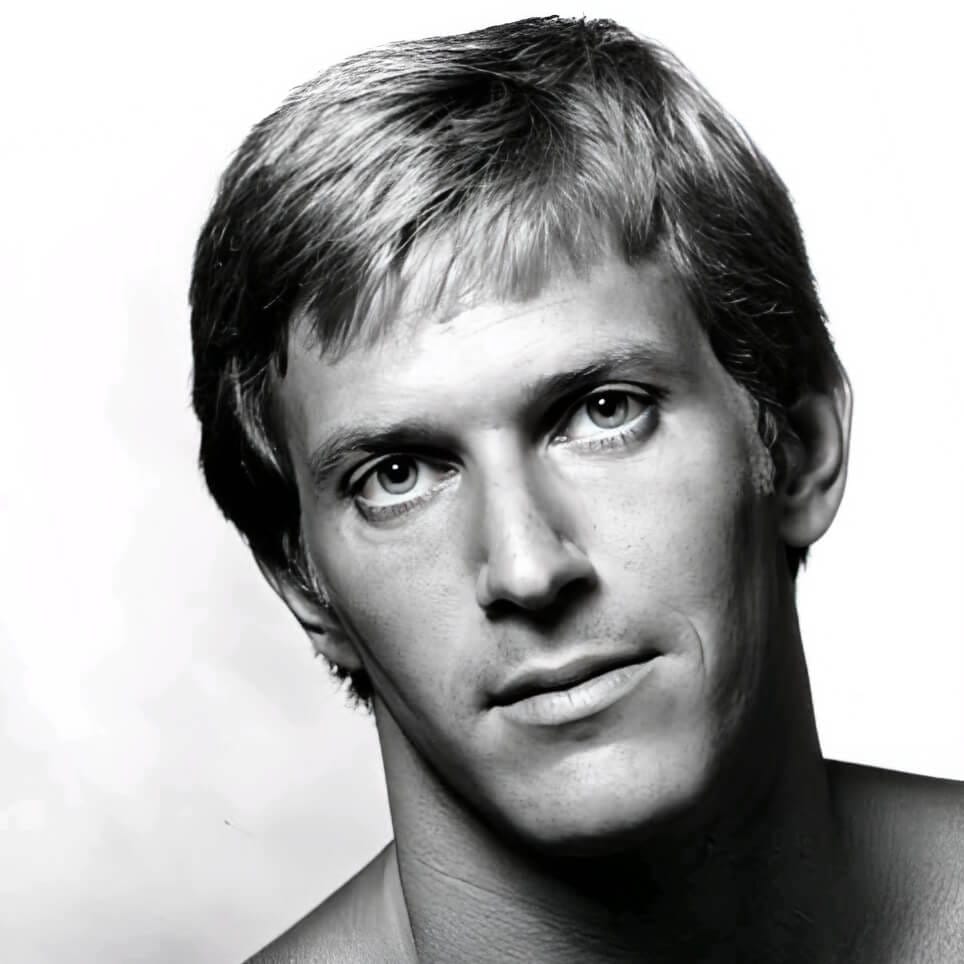
Casey Donovan, born John Calvin Culver in 1943, was a bridge between the hidden 1960s and the open 1970s. He started modeling and doing erotic photos in the late 1960s. Soon after, he gained fame with Boys in the Sand (1971).
Before adult cinema, Donovan worked as a Latin teacher and model. This showed how diverse early performers were. His success proved that gay erotic films could matter both culturally and commercially. Therefore, his rise explains why the 1970s became such a turning point.
John Holmes (Early Adult Era Influence)

John Holmes is mostly linked to the 1970s, but his career began in the late 1960s. Known as “Johnny Wadd,” he became one of the most famous names in adult film history.
His work was mainly outside gay cinema, but his career showed how the adult industry was changing. The move from underground films to wider visibility affected all genres. Holmes’ career was controversial; however, his influence on adult cinema’s growth was clear.
Louis Waldon (Art-House & Underground Cinema)
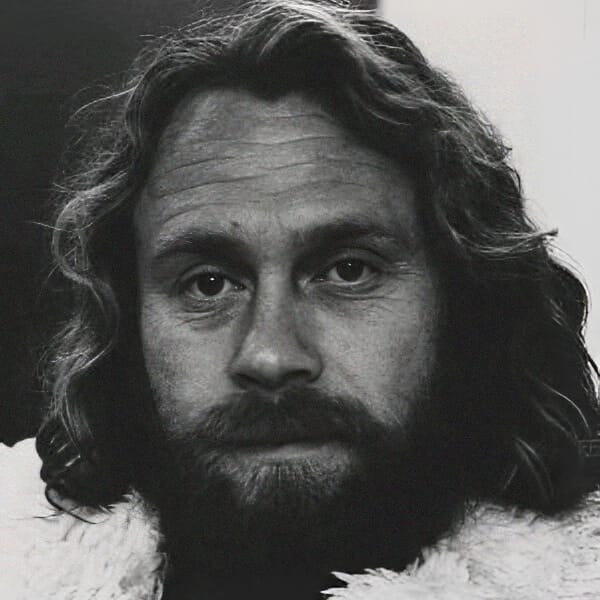
Louis Waldon, born in 1934, worked in experimental films, underground cinema, and later adult-related projects. In the late 1960s, erotic content often mixed with art-house filmmaking instead of commercial porn.
Waldon’s performances focused on mood and symbolism. Because of this, he stood apart from traditional adult stars. In addition, his work showed how close art and erotic film were during this time.
The 1960s: An Era of Foundations, Not Fame
Unlike later decades, the 1960s did not produce adult celebrities in the modern sense. Instead, this era contributed:
- Underground distribution networks
- Physique magazines and short films
- Cultural resistance to censorship
- The creative groundwork for the 1970s Golden Age
Without these risks and experiments, the success of gay adult cinema in the 1970s would not have been possible. Moreover, looking at the 1970s shows how these foundations grew stronger.
Conclusion
The 1960s were not about fame or big studios. Instead, they were about risk, creativity, and quiet defiance. Figures from this time helped turn gay erotic work from hidden material into a cultural force.
Understanding this decade is key to understanding the full history of gay adult cinema. The progress of later years was built directly on the courage of those who worked in this early era.
FAQs
Why is the 1960s important in gay adult cinema? Because it set the stage for the Golden Age of the 1970s through underground films and bold experiments.
Did the 1960s have famous gay adult stars? Not really. Performers worked quietly, building the base for later fame.
How did censorship affect gay adult films? Strict laws kept most content underground. However, creative resistance slowly pushed boundaries.
Which figures stand out from this era? Casey Donovan, John Holmes, and Louis Waldon are key names from the late 1960s.
How did the 1960s lead to the Golden Age? By creating underground networks, physique magazines, and experimental films, the decade prepared the way for the 1970s boom.
Sources include: film history publications, archived interviews, and publicly available biographical records.